She Was Bright. She Just Couldn't Keep It Together.
Year 9 · International Curriculum · Female
Her parents had tried everything. She was clearly capable — her teachers said so, her parents could see it — but she couldn't seem to stay on top of her workload. Deadlines slipped. Her room was a mess of half-finished assignments. Each evening ended in stress. A friend recommended Executive Skills Dubai, and her father later described what happened next as the thing that finally made the difference.
What Was Actually Going On
The problem wasn't effort or intelligence. She was trying. The problem was that she had never been taught how to manage the invisible infrastructure of school: how to track multiple deadlines at once, how to break a task into steps small enough to actually start, how to build a consistent routine that didn't collapse under pressure.
Tutoring hadn't helped — not because the tutors were poor, but because tutoring addresses content gaps. What she had was a systems gap. She needed executive function support, not more subject help. The distinction matters, and it's one that often takes families months of frustration to identify.
"He identified straight away that she didn't need more tutoring — she needed executive function support." — Parent
What We Worked On
The first few sessions were diagnostic. Before building anything, the priority was understanding exactly where the breakdown was happening: at the point of planning, starting, or sustaining work. For her, it was all three — but planning was the root.
From there, coaching focused on three areas:
Time management systems. She built a weekly planning structure that made her workload visible — not overwhelming and abstract, but concrete and manageable. Deadlines stopped sneaking up on her.
Independent task initiation. She learned how to break assignments into a single, non-threatening first step. The goal wasn't motivation — it was removing the friction that was stopping her from starting.
Handling exam pressure. As assessments approached, the work shifted to how she approached revision periods — building a timetable she could actually follow rather than one that looked rigorous on paper but collapsed in practice.
Every session was grounded in what was live for her that week. The skills weren't taught in the abstract. They were built into her actual schedule, her actual subjects, her actual life.
Sound familiar? If your child is bright but struggling to keep it together, the issue is almost never effort or intelligence — it's the invisible infrastructure of school they've never been taught to build.
The Shift
Within a few weeks, her father noticed something he hadn't seen before: she was managing herself. Not perfectly — she's a teenager in a demanding school environment — but proactively. She was tracking her own deadlines. She was starting tasks without being prompted. She was handling exam periods with a structure rather than with panic.
Her confidence grew alongside her systems. That's almost always how it works. Confidence in teenagers rarely comes from being told they're capable. It comes from having the tools to act on their capability and watching themselves use them.
"Within a few weeks she had proper systems in place for managing her time, starting tasks independently, and handling exam pressure. Her confidence has grown massively." — Parent
Why This Works
Executive function coaching doesn't make students smarter or more motivated. It builds the scaffolding that allows the intelligence and motivation that's already there to translate into output.
For this student, the shift wasn't dramatic or sudden. It was quiet and cumulative. Weeks of small habits — a Sunday planning session, a first-step approach to new tasks, a revision timetable built around how she actually works rather than how she thought she should work — compounding into a student who looked and felt significantly more in control.
If your child is bright but struggling to keep it together, the issue is almost never character or effort. It's infrastructure. And infrastructure can be built.
If you'd like to talk through whether this sounds like your child, you can book a free consultation any time.
About the Coach
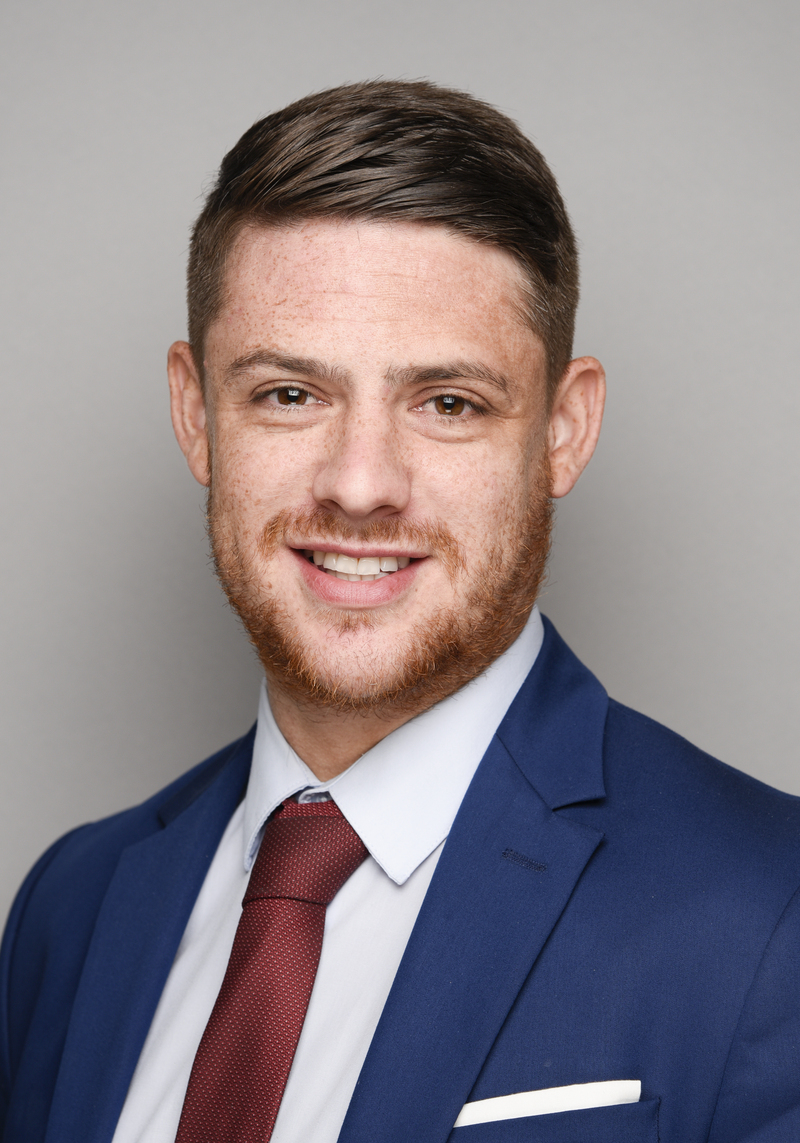
Lewis Griffiths is an executive functioning coach based in Dubai, helping teenagers build the focus, organisation, and independence schools don't teach.
More about Lewis →